Hunting, Poaching and Lead
Funding Goal: $20,000
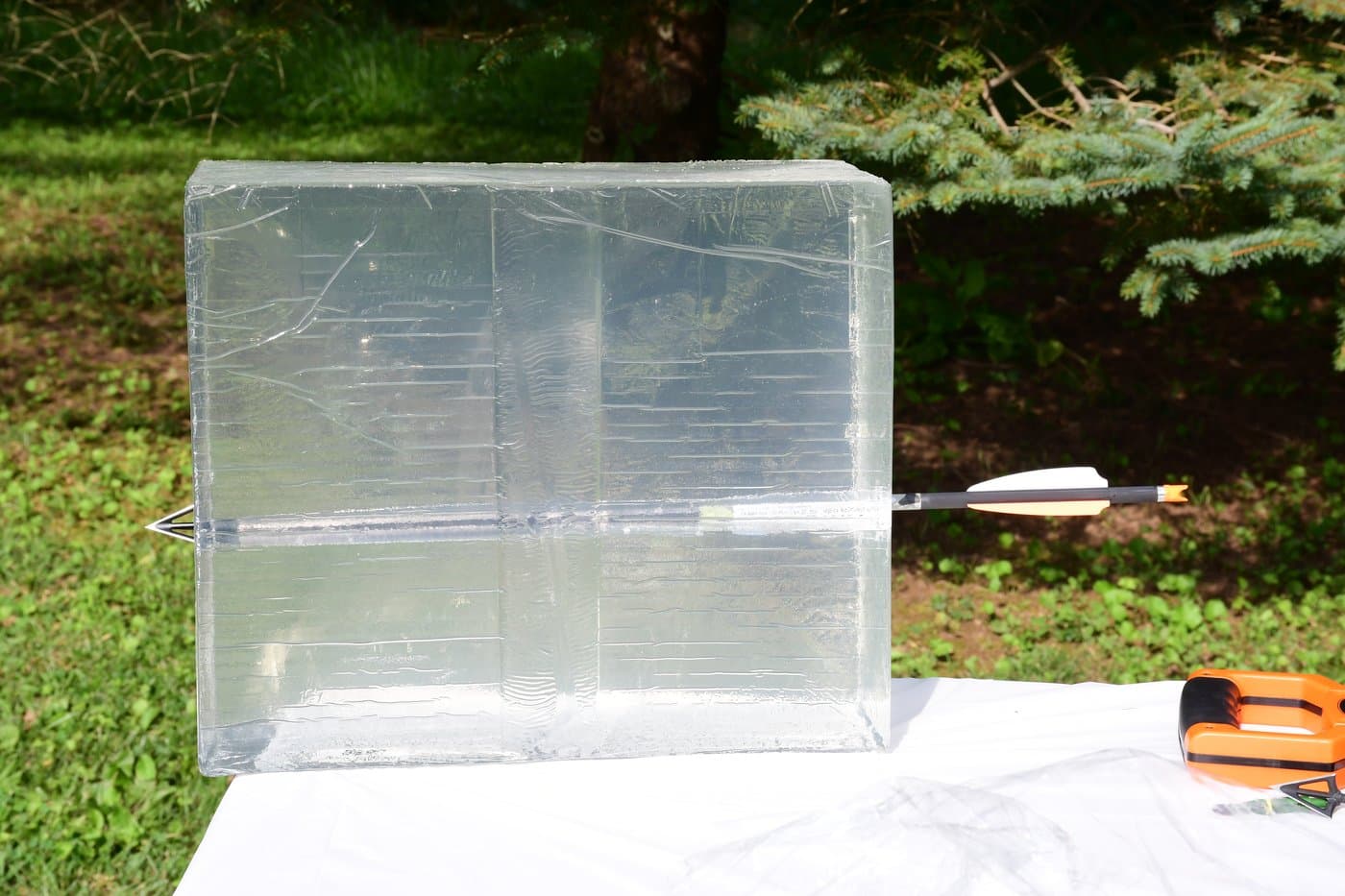
Poaching is becoming increasingly difficult to detect from discarded animal remains, but may be identified by traces of lead contaminating the animal's wound. This research project develops techniques for identifying traces of lead in bullet or arrow wounds, and scene-ready visualization of ballistic evidence.
Hunting is a significant part of lifestyles and economic activity across the United States. Animal culling and removal forms the strategic initiatives of many governmental services in the efforts for reducing rapid population growth and management of viral diseases or environmental damage. However, illegal hunting, or poaching, can disrupt wildlife populations and conservation efforts, and tarnish public trust of legal hunters. Some methods toward poaching include the targeting of endangered species, the use of poisons, or the use of lead. Fragments of lead will contaminate an animal and can poison other animals or humans eating it.
Poaching is increasingly difficult to detect from animal remains discarded in public places due to the loss of forensic evidence following decomposition effects. However, traces of poison and lead contaminating the animal's wound may be detectable after death. This research project will explore techniques for identifying traces of lead or poison in animal remains, and develop methods toward the visualization of bullet wound evidence using accessible scene-ready techniques.