
New Publication: Fraudulent Pet Cremations
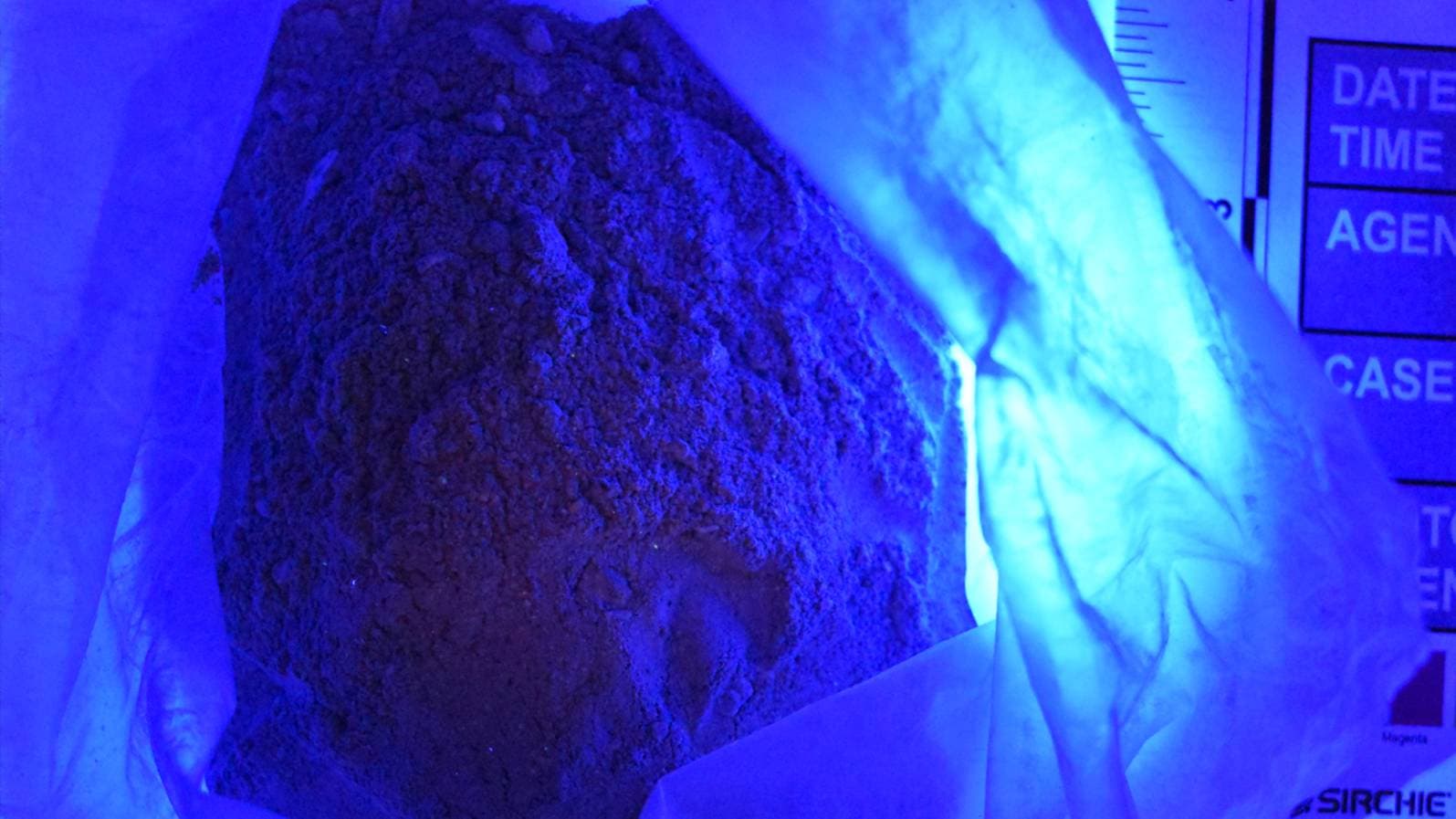
We're delighted to announce the publication of a research paper that came from forensic casework we completed during 2025! Identifying fraudulent pet cremations using visual and elemental analysis, published in Forensic Science International, explores the use of multi-analytical techniques and expertise of our team at the Animal Forensics Institute to identify bone and non-bone materials used in suspect pet cremations.
A number of deceased animals were discovered in a pile in a wooded area. The animals were in remarkable condition much unlike typical wild animals, causing Baltimore City Animal Control to examine the animals and finding some with microchips inside. This lead to the discovery of the pet owners whom were previously given cremations of these same animals. Several further developments led to investigators searching the premises of the cremator and discovering a hearse with 38 decomposing animals stuffed inside, and the suspected cremated remains of these 38 animals were collected from the public. Additional cremations were submitted by other members of the public who used the same cremation services.
AFI was tasked to identify whether:
Are the suspected cremations given to pet owners consistent with cremated bone?
Are they contaminated with non-bone material?
Can any profiling (human vs animal, species etc.) be completed?
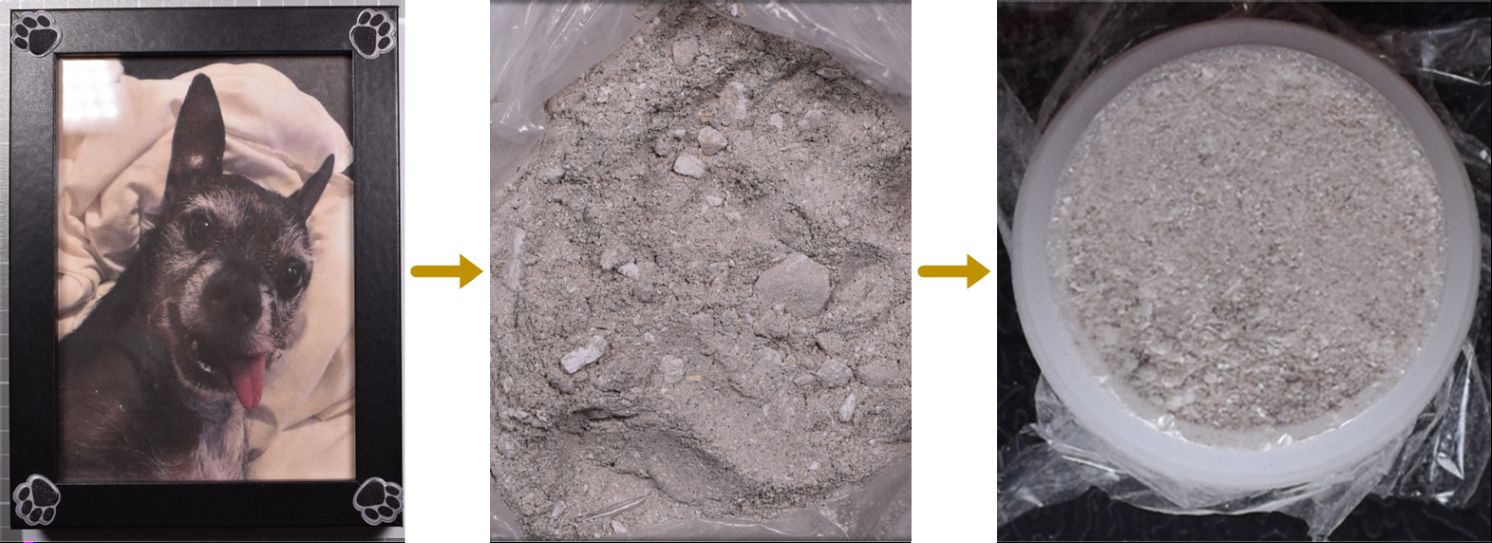
A core mission of AFI is to produce research and techniques for high-quality forensic investigation of animal crime evidence. Here, we wanted to forensically identify whether the suspected cremations were uncontaminated bone and if not, why not. We also needed to establish a protocol to complete this for all suspected cremations, including those were a body was not discovered.
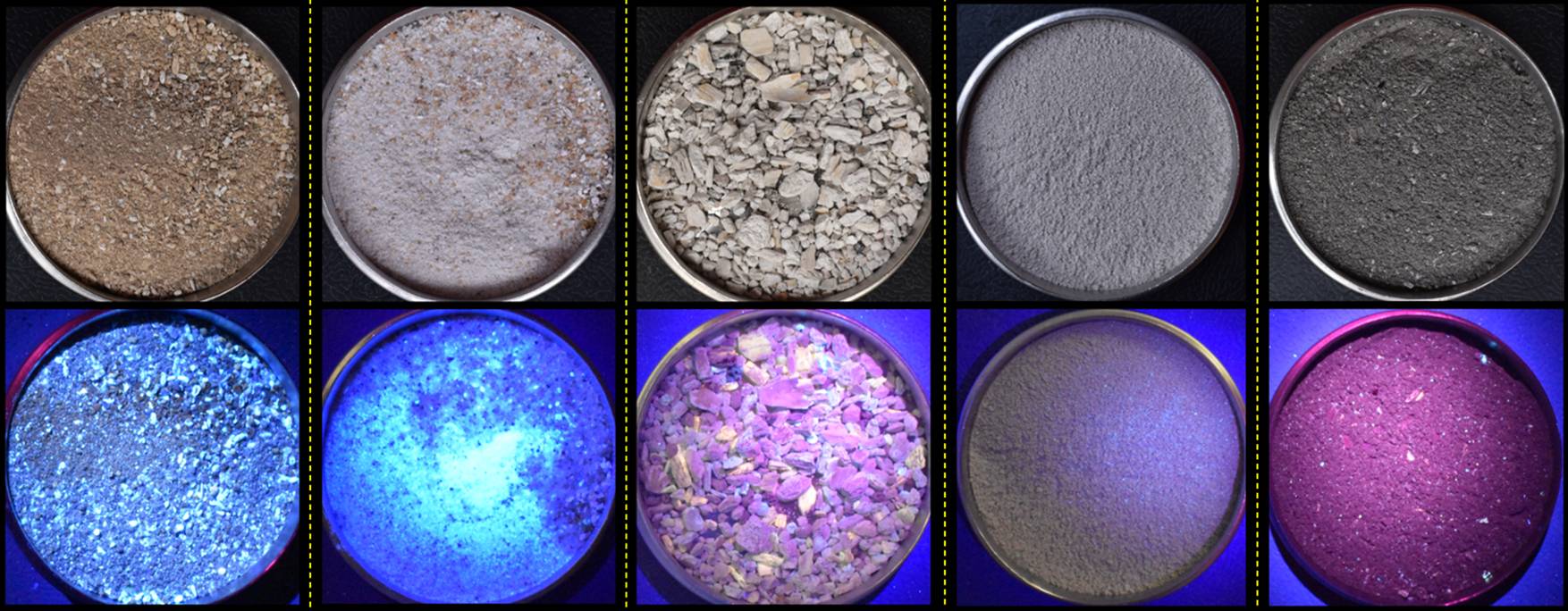
A combination of anthropological, visual, alternate light source (ALS) and elemental analysis showed that the vast majority of suspected cremations were comprised entirely of non-bone sediment, many of which were consistent with bagged sediments recovered from the suspect premises. Additionally, some suspected cremations contained fragments of human remains mixed in, such as teeth and dental implants (the source of which is currently unknown).
This investigation resulted in a landmark 20-year sentence with probation for the primary culprit, and a 5-year sentence with probation for the secondary culprit. Several victims advocated change to legislation which was passed as the Pet Cremation and Burial Services Consumer Protection Act in April 2026. Sadly, the bodies of many of the pets are still undiscovered.
This was an extraordinary outcome for animal forensics and we're so pleased to have been involved in developing and providing a thorough, objective and high-quality forensic investigation of cruelty against animals.
Frequently Asked Questions
How can you distinguish cremation from non-cremation?
I think my cremated remains aren't actually cremations. What do I do?
I am investigating suspected cremations and want to complete a formal, forensic investigation. Where do I go?
About the Author

Rhys Williams
Assistant Professor in Forensic Science
Dr. Williams is a biological anthropologist at Loyola University Maryland, where he specializes in digital imaging and soil analysis within bioarchaeology and forensic anthropology. His research has grown to focus on the digitized analysis of discrete forensic evidence, soil profiling for burial site interpretation, and scholarly public engagement. Dr. Williams is currently developing new methods for the visualization and identification of animal evidence for rapid scene testing for the Animal Forensics Institute.
Comments
Be the first to comment.
Leave a comment
Your email won’t be published. All comments are reviewed before they appear.